
DNGG is a platform exploring sustainable materials for designers, circular design systems, and material literacy. Through workshops, research, and resources, Olivia Aspinall helps designers understand how materials are sourced, produced, used, and recovered so they can make more informed design decisions.
Helping designers understand materials beyond greenwashing
Workshops, research, and resources exploring sustainable materials, circular design, and material literacy.
Olivia Aspinall - Material Researcher & Design Educator
Olivia Aspinall is a designer and researcher specialising in sustainable materials, circular design, and material literacy.
Through workshops, writing, and teaching, she helps designers understand how materials work, where they come from, and how to make better material choices.
Her work bridges design practice, material research, and sustainability education.
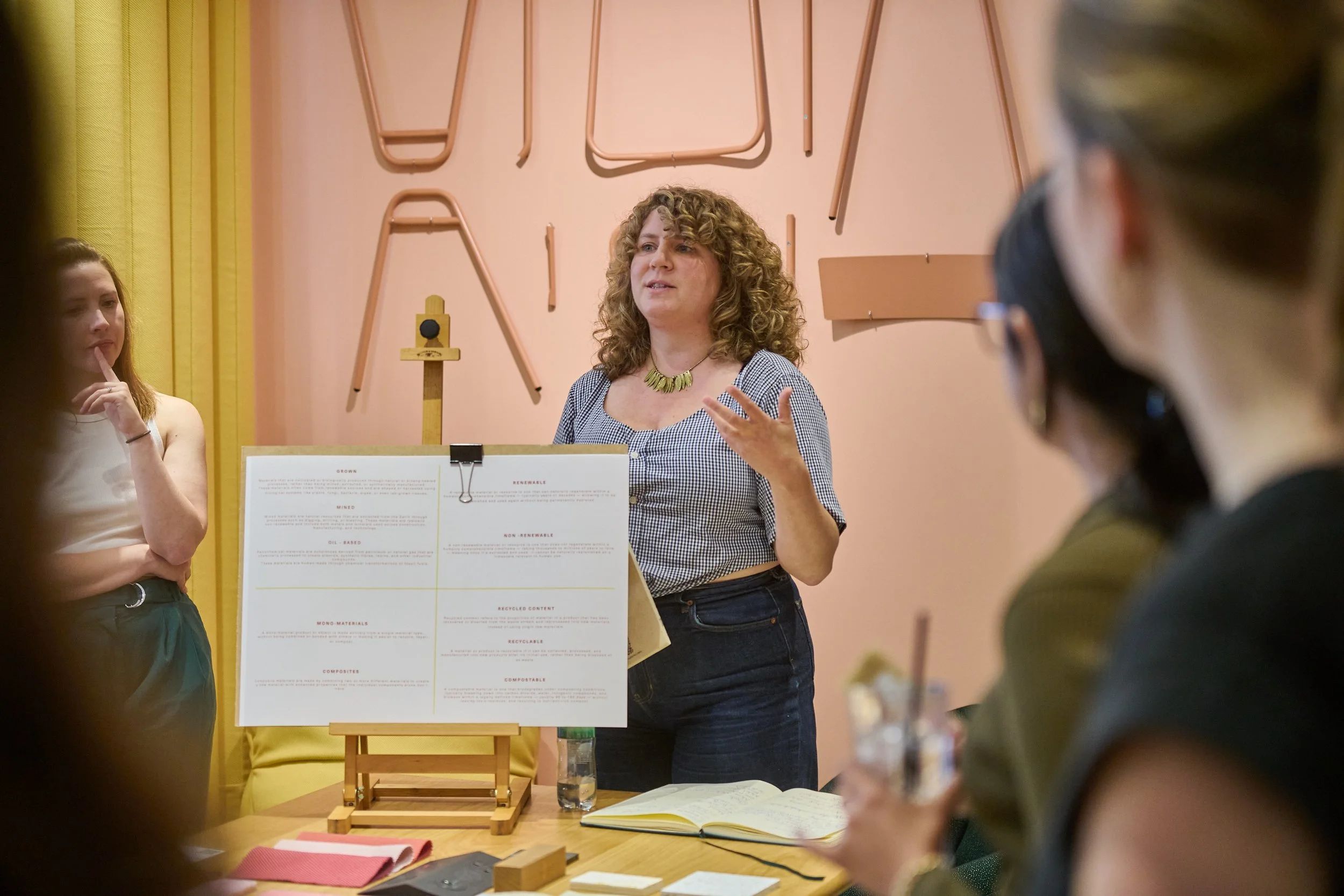

THE FUTURE OF DESIGN BELONGS TO THOSE WHO UNDERSTAND MATERIALS AND SYSTEMS
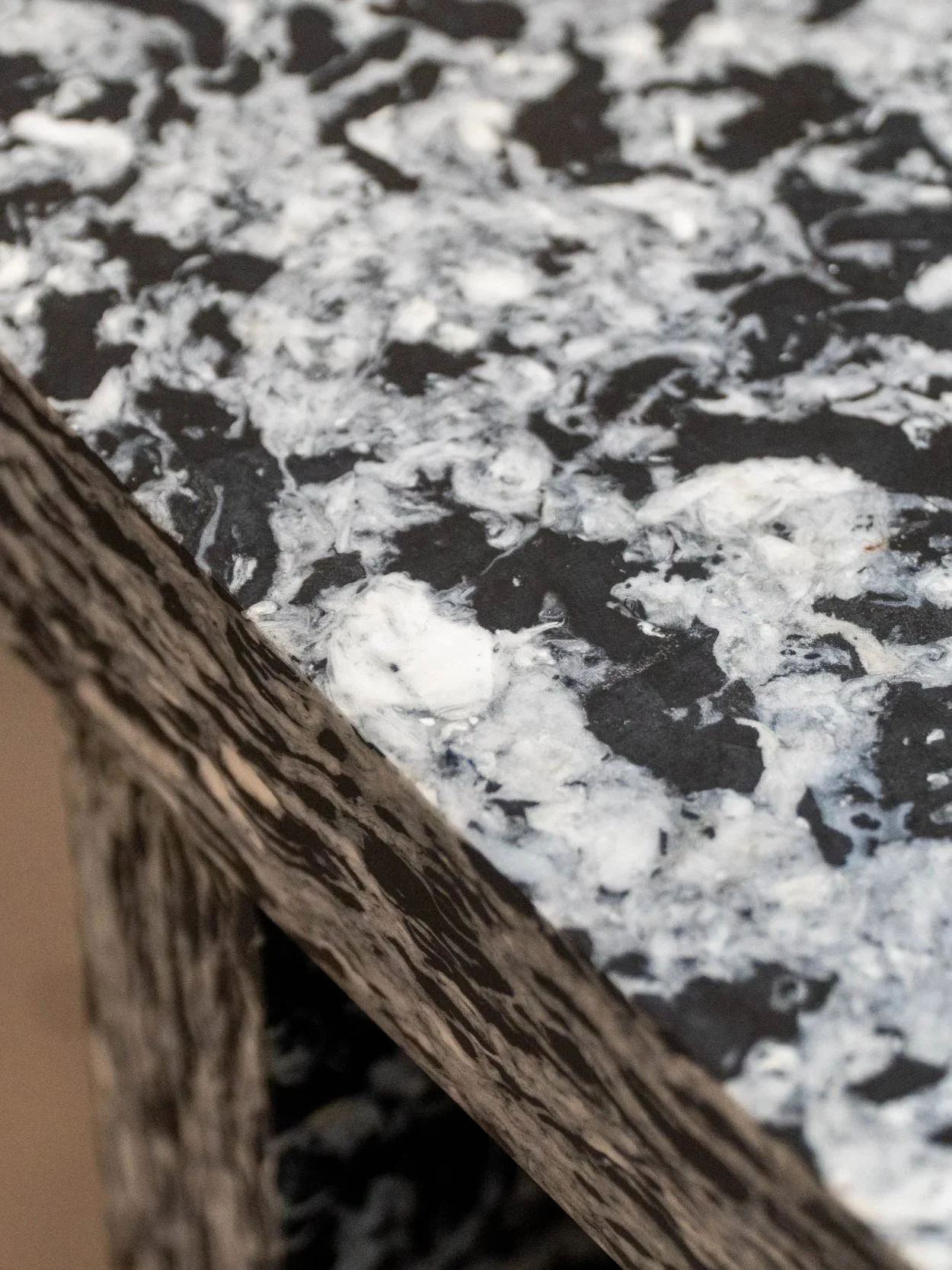
Online Learning
The foundations of sustainable materials and circular design thinking.
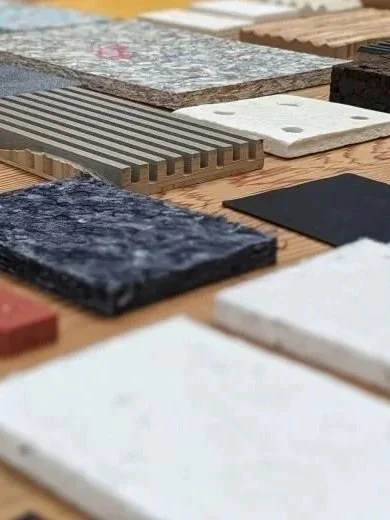
In-person material workshops
Hands-on learning for designers. Inspire your team and kickstart change.

Access FREE materials database
Make specifying easy by discovering circular manufacturers.
Why material literacy matters in design
Designers today are surrounded by more material choices than ever, each with complex sustainability claims.
It can be difficult to understand what these claims actually mean and whether they reflect meaningful change or are simply good marketing.
This is where material literacy becomes important.
Material literacy is about understanding the story behind materials: where they come from, how they are made, how they behave in use, and what happens to them at the end of their life.
By developing material literacy, designers can begin to question greenwashing, understand the trade-offs between materials, and make more thoughtful decisions within complex systems.
Material literacy helps designers explore:
• Sustainable materials options
• Material lifecycles
• Circular design systems
• Responsible sourcing
• Emerging biomaterials
The goal isn’t to find perfect materials, but to develop the knowledge and curiosity needed to navigate materials more responsibly.

Work With Me
Hi, I’m Olivia!
I started Do Not Go Gentle to challenge the guilt and fear that often surround sustainability in design. I believe real change happens when people feel informed, inspired, and empowered to take action. Through my work, I help clients use design as a force for good, giving them the tools and confidence to make sustainable choices that really matter.
I studied Textile Design at Central Saint Martins and spent eight years running my own surface design studio, creating handmade, bespoke materials and collaborating with brands, architects, and designers around the world. My work has been featured in Frame and Elle Decoration, and in 2022 I expanded my focus by studying Sustainability in Business at Cambridge.
Today, alongside Do Not Go Gentle, I teach Interior Design at Falmouth University, consult across industries, and lead workshops that make sustainability feel exciting, practical, and full of possibility.
Frequently Asked Questions
-
Material literacy is the ability to understand what materials are made from, how they are produced, how they perform in use, and what happens to them at the end of their lifecycle. For designers, material literacy helps support better decisions about sustainability, durability, and circular design.
-
Materials play a major role in the environmental impact of products, interiors, and buildings. By developing material literacy, designers can better evaluate sustainable materials, understand material lifecycles, and make more informed design decisions.
-
The word sustainable is extremally board and undefined. Sustainable materials are materials that aim to reduce environmental impact throughout their lifecycle. Responsible material choices depends largely on context but important factors include responsibly sourced materials, recycled materials, renewable materials, or materials designed to support circular systems such as reuse or recycling.
-
Circular design focuses on designing products and systems so that materials remain in use at their highest value for as long as possible. These principles are based on the concepts of the circular economy outlined by The Ellen McArthur Foundation This includes designing for repair, reuse, disassembly, recycling and composability.
-
Material Literacy 101 is an online workshop designed to introduce designers to sustainable materials, material lifecycles, and circular design thinking. It provides a framework for understanding materials and making more informed material choices in design projects.
-
Biomaterials can offer exciting possibilities, but sustainability depends on many factors including production methods, durability, and how the material is used within a design system. Additionally biomaterials can often offer healthier options for people and planet.
People I’ve worked with